
Day 1Thursday, March 4, 2027
Expanding the role of integrative medical practices acute and chronic pain management
Paul F White, University of California, United StatesIn 2007, a review article1 by international experts in pain management encouraged the more widespread use of opioid-containing analgesics by suggesting that “if only we [physicians and nurses] could overcome our ‘opiophobia’, we would improve pain management”. In an accompanying editorial, I argued…
View Full Abstract →
Exploring the role of plant-derived compounds for cancer intervention: Apoptosis, oxidative stress, and in silico insights
Mugdha Harmalkar, D Y Patil Deemed to be University, IndiaThis presentation explores the , integrating to understand their mechanisms of action. The study focuses on extracts from Bougainvillea, Plumbago spp and Clematis spp, alongside key bioactive compounds as Cancer progression is closely associated with . Increasing evidence suggests that…
View Full Abstract →
From farm to global wellness: Strengthening the medicinal plants supply chain for ayurveda and traditional medicine systems
Arun Chandan, Baba Farid University of Health Sciences, IndiaMedicinal plants form the foundation of Ayurveda and many traditional medicine systems across the world. However, the global herbal sector continues to face serious challenges related to quality planting material, sustainable cultivation, wild collection, traceability, authentication, post-harvest…
View Full Abstract →
The seven whispers of inflammation : Recognizing the early biological signals of chronic disease before diagnosis
Helen Powell Stoddart, Howard University, United StatesChronic diseases such as type 2 diabetes, cardiovascular disease, neurodegenerative disorders, autoimmune diseases, metabolic dysfunction, and chronic pain rarely begin with a diagnosis. Instead, they develop over years through progressive biological changes driven by chronic low-grade…
View Full Abstract →
Evidence-Informed clinical acupuncture for sports injury rehabilitation and chronic pain management: Bridging traditional chinese medicine and modern rehabilitation practice
Jasmine Wang, Solusalus Clinic, CanadaThe integration of Traditional Chinese Medicine (TCM) with contemporary rehabilitation science offers significant opportunities for improving outcomes in sports injury rehabilitation and chronic pain management. As musculoskeletal disorders, sports-related injuries, and persistent pain conditions…
View Full Abstract →
Harmonising ancient chinese and indian health cultures
Ama Lia Wai Ching Lee, Holistic health counselor, SingaporeThe presentation will focus on the importance of ensuring that Tai Chi, Qigong, Prana, Yoga and associated complementary therapies are essential in the improvement of the Health, Wellbeing and Lifestyle of the Global populations. The need for any such therapy must understand that to satisfy…
View Full Abstract →
Beyond the surface: Complementary and alternative medicine in contemporary anti-aging skin care
Lim Fui Ping, National University, SingaporeSkin aging is a complex, multifactorial process influenced by intrinsic aging, cumulative environmental exposure, inflammation, oxidative stress, vascular changes and progressive alterations in the skin extracellular matrix. While conventional dermatological and aesthetic interventions remain…
View Full Abstract →
Acupuncture & electrotherapy: An alternative and complementary treatment method
Maria I. Dalamagka, Aristotle University, GreeceAcupuncture involves activating specific points on the skin, usually by inserting needles. Acupuncture was based on the principles of traditional Chinese Medicine. Traditional acupuncturists understood health in terms of a vital force or energy called "Qi" that circulates between the organs along…
View Full Abstract →
Role of ayurveda in regenerative medicine: Voyage from tradition to modern
Prashant Sakharam Bhokardankar, Datta Meghe Ayurved College, IndiaAyurveda addresses regenerative medicine mainly via Rasayana (rejuvenation therapy), concentrating on restoring and revitalizing tissues (Dhatus) by improving digestion (Agni), eliminating metabolic waste (Ama), and bolstering immunity Ojas). Ayurveda therapies focused on regeneration and…
View Full Abstract →
Ayurvedic neuropsychiatry and chittodvega: A comparative clinical study of mahakalyanaka ghrita and panchagavya ghrita
Divya Singh, Santushti Ayurvedic Medical College, IndiaAyurvedic literature describes a wide range of psychiatric illnesses; these disorders are caused by interconnected psychological and physical issues. Chittodvega is one of the Manasika Vikaras mentioned in Ayurveda. One of the 80 Nanatmaja Vata Vikaras is Anavasthita Chitta. When the object of…
View Full Abstract →
From supernatural to the subtle: Exploring the clinical expressions of bhutavidya through case narratives
P. Suganya Devi, Siddhanta and Samskruta, SSCASR, IndiaBhutavidya is one of the Astanga (eight branches) of Ayurveda. It deals with existing yet non-perceivable entities that are described in classical Ayurvedic texts as Bhuta or Graha. The term Bhuta is often misunderstood as referring merely to the “science of ghosts.” Other interpretations have also…
View Full Abstract →
Evidence-Based ayurvedic hair wellness: An integrative model from prevention to regeneration
Mamta, Government Ayurveda, Yoga & Naturopathy College, , IndiaHair disorders, including androgenetic alopecia, telogen effluvium, alopecia areata, premature greying, and dandruff, have emerged as significant global health concerns owing to nutritional deficiencies, chronic stress, hormonal imbalance, environmental pollution, systemic illnesses, and unhealthy…
View Full Abstract →
Day 2Friday, March 5, 2027
When the Blood Speaks: K’in, Mut, and Pulse Divination in Ch’orti’ Maya Healing
Kerry Michael Hull, Brigham Young University, United StatesHealing Drawing on more than three years of fieldwork among the Ch’orti’ Maya, this paper examines pulse as a medium of diagnosis and communication in traditional healing practices. It centers on k’in, a form of calf divination also known locally as sanjorin. The healer addresses the calf, whose…
View Full Abstract →
Food, diet and nutrition as an integrative approach for a whole-person care
Julieta Andico Songco, JAS Consulting Services, United StatesIn today’s modern healthcare environment, our primary concern is the general health and well-being of individuals and populations. At the same time, there is growing interest in outcomes and return on investment (ROI)—in other words, what meaningful value healthcare provides. One initiative that is…
View Full Abstract →
Advancing mental and physical well-being through long distance walking
Robert Fennell, Atlantic School of Theology, CanadaMental and physical health are always in need of nurture and care. For some, they reach tipping points and move into crisis or chronic states of unhealth. At the same time, health care systems are often financially out of reach for many persons, or are too overstretched or inadequate to provide…
View Full Abstract →
Music therapy combined with acupuncture therapy for children with autism spectrum disorder
Zhenhuan Liu, Guangzhou University Chinese Medicine, ChinaObjective: To veiify the efficacy of the Psychological Action Rehabilitation on autism treated with Chinese Medicine Music Therapy combined with acupuncture therapy. Methods: A total of 70 cases with autism spectrum disorder (ASD) were divided into an observation group 30 cases and a control group…
View Full Abstract →
The role of chinese acupuncture in facilitating verbal expression during psychotherapy
Robert Hawawini, Middle school, FranceHaving trained both as a psychoanalyst and an acupuncturist, I have long been interested in the connections between these two disciplines. While I have a strong preference for Traditional Chinese Medicine (Zhongyi), I should clarify that I no longer practice psychotherapy or psychoanalysis,…
View Full Abstract →
Modern medicine and health: Learning from the past, living in the present, and preparing for the future
Amadio Bianchi - Swami Suryananda Saraswati, European Ayurveda Association, ItalyA flower, once cut and deprived of its roots, is destined to die...the roots are therefore essential to its existence. In my opinion, the same is true for science, including medicine. Ancient natural medicines, inspired by the most ancient of all things: nature, can bring with them knowledge and…
View Full Abstract →
From plant to product: Combating adulteration and substitution in herbal medicines through scientific authentication
Ajai Prakash Gupta, FSSAI, IndiaHerbal medicines face rising global demand alongside persistent risks from adulteration and substitution throughout the supply chain, driven by morphological similarity, shared vernacular names, chemotypic and geographic variation, scarcity of genuine material, and economic incentives. This…
View Full Abstract →
Flavonoid-Rich Antioxidant Phytocomplexes: Quality-Driven Development of Reproducible Phytotherapeutics for Whole-Person Care
Roman Lysiuk, Danylo Halytsky Lviv National Medical University, UkraineThe growing burden of chronic noncommunicable diseases, age-related disorders, metabolic dysfunction, and stress-associated conditions has intensified global interest in integrative healthcare strategies addressing the complex biological, psychological, and environmental determinants of health.…
View Full Abstract →
The misunderstood individuals on the autism spectrum and how to help them with a multi-modality holistic process
Farah Ganjei Gron, New Life Homeopathy, United StatesThis presentation will include not only a body of research on methods of healing, but also offers a process of self-care and inner development for the special children. It offers a multi-modality approach for these children and adults to heal and to creatively express themselves.These special…
View Full Abstract →
Understanding autoimmune thyroiditis and amp; A new approach to its care
Gary Archer, SALUD NATURAL, Inc, United StatesIn TCM disease states are often described as patterns of disharmony and while there are a wide variety to describe the array of Thyroid disorders when we are talking about Autoimmune Thyroiditis overwhelmingly we are describing the following multi-axial pattern: Liver Qi (energy) Stagnation which…
View Full Abstract →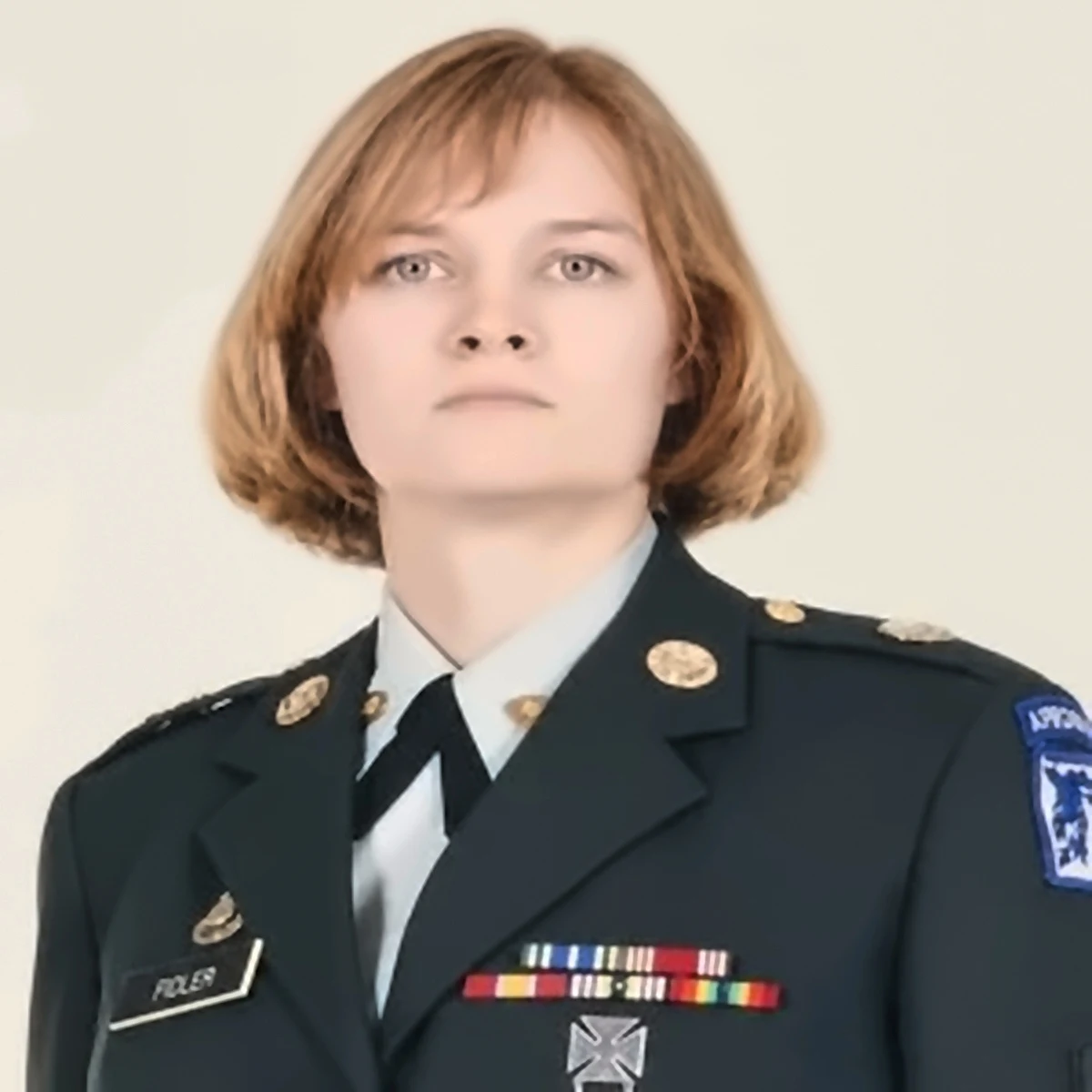
Primary dimensions of wellness
Angel Ojala Fidler, Angel's Heavenly Bodies LLC, United StatesTo illustrate the ability to bring both modern medicine and complementary medicine together in partnership to help the ‘whole’ person in all dimensions of their lives throughout the lifespan to meet their health and lifestyle goals as an individual. Using four primary areas to create a…
View Full Abstract →
Harmonising ancient chinese and indian health cultures
Keith Sharp, Tai Chi and Qigong Global Advisory, United KingdomThe presentation will focus on the importance of ensuring that Tai Chi, Qigong, Prana, Yoga and associated complementary therapies are essential in the improvement of the Health, Wellbeing and Lifestyle of the Global populations. The need for any such therapy must understand that to satisfy…
View Full Abstract →
Self maieutics as therapy
Jasmin Sylla Bugarin, Researcher, FranceOver my ten years of practice, I have found that one hour is generally sufficient to identify the core of a patient's issue. In reality, the answer often lies with in the person themselves; my role is simply to facilitate this process through a form of maieutics—helping to bring the true nature of…
View Full Abstract →
Targeted biodegradable nanoparticle delivery of nigella sativa, panax ginseng, and crataegus pinnatifida extracts for hypothalamic appestat dysregulation and non-shivering thermogenesis activation
Raviraj Deb, Independent Researcher, IndiaToday's popular weight-loss injections come with a pretty steep clinical price tag. Patients frequently face distressing side effects like constant nausea, severe muscle loss, and even permanent paralysis of the stomach muscles. While natural herbs seem like a much safer alternative, the active…
View Full Abstract →
Clinical outcomes of avapeedaka snehapana with mahatiktakam ghritam in rakta arsha (first-degree internal haemorrhoids): A single-arm, open-label clinical trial
Megha Raosaheb Survase, CSMSS, IndiaBackground: Rectal bleeding and associated bowel disturbances in Rakta Arsha, corresponding clinically to first-degree internal haemorrhoids, can affect daily functioning and quality of life. Avapeedaka Snehapana is an Ayurvedic intervention whose clinical outcomes warrant systematic evaluation.…
View Full Abstract →
Phytochemical profiling and chitosan nanoencapsulation of thymus linearis essential oils: Seasonal variation and potent biopesticidal activities
Kirti Nagarkoti, IILM University, IndiaThe essential oils (EOs) derived from Thymus linearis Benth. (Lamiaceae), collected during the rainy and winter seasons in Nainital, Uttarakhand, India, were extracted using the hydrodistillation method. GC and GC/MS techniques identified over 91.5% and 95.7% of the rainy and winter EOs,…
View Full Abstract →
Ayurvedic approach to erectile dysfunction in diabetes mellitus: A narrative review
Arbaz Mudnal, B.M. Kankanwadi Ayurvedic Mahavidyalaya, IndiaBackground: Diabetes mellitus (DM) is a major metabolic disorder associated with several chronic complications, including erectile dysfunction (ED). Diabetes-associated ED is multifactorial and involves endothelial dysfunction, vascular impairment, autonomic neuropathy, oxidative stress, hormonal…
View Full Abstract →
Ayurvedic rasayanas-In the purview of current health affairs
Roopa Mathew, Sumatibhai Shah Ayurved Mahavidyalay, IndiaRasayana is one of the eight branches of the ancient Indian medical science – Ayurveda. The term is derived from the Sanskrit words Rasa (the essential body tissues or nutritive fluid) and Ayana (pathway). Thus the term rasayana implies the uninterrupted flow (ayana) of the nutrients (rasa) that…
View Full Abstract →
Role of pottali swedana in alleviating sciatic nerve pain in a cancer
Krutika Chaudhari, Dr Rajendra Gode Ayurved College hospital and research centre, IndiaSciatica is a common neurological symptom that can severely affect mobility and quality of life particularly in cancer patients undergoing radiation and chemotherapy with multiple comorbidities.Integrative approaches, including Ayurvedic interventions, may offer symptomatic relief when conventional…
View Full Abstract →
Bathe technique – Enlightening through ayurveda in emotional disorders
Nadeesha Sewwandi Abegunasekara, Gampaha Wickramarachchi University of Indigenous Medicine, Sri LankaBackground Emotional factors play a significant role in the causation, aggravation, and prognosis of various physical illnesses. Ayurveda emphasizes the importance of the physician's wisdom, experience, and therapeutic approach in achieving successful treatment outcomes. The BATHE (Background,…
View Full Abstract →
From traditional knowledge to translational therapeutics: Integrating natural products, pharmacology and precision medicine for the future of integrative healthcare
Vanessa Steenkamp, University of Pretoria, South AfricaTraditional and complementary medicine represents an important component of healthcare globally, particularly in Africa, where medicinal plants and traditional healing practices remain deeply embedded within communities. However, translating traditional knowledge into safe, effective and…
View Full Abstract →
Innovative integrative modalities: Equine-Assisted and auricular acudetox for behavioral health and addictions
Sue Tham, Acupuncture Trainer, United StatesNative American communities have deep cultural and spiritual connections to their land, reservations, and traditional relationships with horses. Equine-Assisted Therapy (EAT) has increasingly been explored as a culturally responsive therapeutic modality that may support behavioral health and…
View Full Abstract →
One tree with different branches– The stunning similarities between the traditions
Adam Tate, Medicine Traditions, AustraliaEach Medicine Tradition appears different and unique, but under the thin facade of difference is a deep foundational knowledge that pervades the various traditions. So much so that they could not have developed independently. Join Adam for a look at some core similarities and how this shows…
View Full Abstract →
Day 3Saturday, March 6, 2027
The Day 3 program will be updated shortly
We're preparing this information. Please check back soon.