Conference Dates
November 09-11, 2026

The Global Summit on Traditional & Integrative Medicine (GSTIM 2026) is a premier international platform dedicated to advancing knowledge, research, and practice across traditional, complementary, and integrative healthcare systems. Scheduled for November 09–11, 2026, in Dubai, UAE, GSTIM 2026 will be hosted in a hybrid format, enabling both in-person and virtual participation from across the globe. The summit brings together clinicians, researchers, academicians, policymakers, and industry leaders to explore evidence-based approaches that integrate time-honored healing traditions with modern medical science. Our mission is to foster meaningful dialogue, promote scientific rigor, and support collaborative pathways that enhance patient-centered, holistic healthcare worldwide.
Theme: Integrative Approaches for Whole-Person Care
Set in the dynamic global hub of Dubai, GSTIM 2026 offers a unique opportunity for cross-cultural exchange and international collaboration. The hybrid model ensures inclusive access, allowing participants from diverse regions to engage, present, and network without barriers. Beyond scientific exchange, the summit seeks to inspire ethical practice, sustainability, and innovation in integrative medicine. GSTIM 2026 is committed to shaping the future of healthcare by empowering professionals, nurturing young researchers, and strengthening global partnerships that advance safe, effective, and holistic medical solutions for the benefit of humanity.
Traditional medicine represents one of the oldest forms of healthcare, rooted in centuries of observation, cultural wisdom, and holistic understanding of health and disease. Systems such as Ayurveda, Traditional Chinese Medicine, Unani, and various indigenous healing practices evolved independently across civilizations, shaped by geography, philosophy, and social structures. These systems emphasize harmony between the body, mind, and environment, viewing health as a state of balance rather than merely the absence of disease. Core concepts such as vital energy, humoral balance, and individualized constitution form the foundation of traditional medical practice.
Over time, traditional medicine has evolved through oral transmission, classical texts, and experiential learning, adapting to changing societal needs while preserving its core principles. Diagnostic approaches often rely on detailed clinical observation, pulse and tongue examination, lifestyle assessment, and holistic evaluation of the individual. Therapeutic interventions include herbal remedies, dietary regulation, physical therapies, and mind–body practices aimed at restoring balance and supporting the body’s natural healing capacity. In recent decades, there has been growing global interest in integrating traditional medicine with modern healthcare, driven by patient demand for holistic, preventive, and personalized approaches. This session explores the historical foundations, evolution, and contemporary relevance of traditional medicine, highlighting its contributions to global health, challenges in standardization and scientific validation, and its role in integrative and complementary care models.
Ethnomedicine and indigenous healing systems encompass diverse healthcare practices developed by indigenous and tribal communities through generations of lived experience, cultural traditions, and close interaction with nature. These systems view health as an integrated state of physical, mental, social, and spiritual well-being, often emphasizing harmony between individuals, communities, and the environment. Indigenous healing practices are deeply rooted in cultural identity, belief systems, and ecological knowledge, with healing rituals, herbal remedies, and spiritual practices playing central roles in disease prevention and treatment.
Indigenous healers rely on extensive knowledge of local flora, fauna, and natural resources to prepare herbal medicines, poultices, decoctions, and topical applications for a wide range of conditions. Beyond physical ailments, ethnomedicine often addresses emotional distress, social imbalance, and spiritual concerns, reflecting a holistic approach to care. These systems continue to serve as the primary source of healthcare for millions of people worldwide, particularly in remote and underserved regions. This session explores the principles, practices, and cultural significance of ethnomedicine, while examining contemporary challenges such as loss of traditional knowledge, ethical concerns around intellectual property, and the need for respectful documentation. Emphasis is placed on the potential role of indigenous healing systems in integrative medicine, biodiversity conservation, and sustainable healthcare. Participants will gain a deeper appreciation of indigenous medical wisdom and its relevance to modern health systems, research, and culturally sensitive care delivery.
Integrative and complementary medicine represents a patient-centered approach that combines conventional medical treatments with evidence-based complementary therapies to address the physical, emotional, social, and spiritual dimensions of health. Rather than serving as an alternative to modern medicine, integrative healthcare emphasizes collaboration between different healing systems to optimize outcomes, enhance well-being, and improve quality of life. This approach is increasingly adopted in the management of chronic diseases, pain, mental health conditions, cancer survivorship, and preventive care.
Complementary medicine includes a wide range of practices such as herbal medicine, nutritional therapy, acupuncture, yoga, meditation, and lifestyle interventions. When used appropriately and supported by scientific evidence, these therapies can enhance symptom control, reduce treatment-related side effects, and empower patients to take an active role in their health. Integrative medicine also prioritizes the therapeutic relationship, shared decision-making, and individualized care plans tailored to patient needs, values, and cultural backgrounds. This session explores the principles, clinical applications, and safety considerations of integrative and complementary medicine in contemporary healthcare systems. Emphasis is placed on evidence-based integration, interdisciplinary collaboration, and regulatory frameworks that ensure patient safety and quality of care. Participants will gain insights into how integrative medicine bridges traditional wisdom and modern science, supporting a holistic, sustainable, and person-centered model of healthcare delivery.
Ayurveda, Unani, Siddha, and other traditional medical systems represent time-tested healthcare traditions that have evolved over centuries through systematic observation, experiential learning, and philosophical inquiry. These systems emphasize a holistic understanding of health, viewing the human body as an integrated unit of physical, mental, and spiritual elements. Concepts such as body constitution, balance of humors or energies, and harmony with nature form the core of diagnosis and treatment. Disease is understood as an imbalance within the body or between the individual and the environment, rather than an isolated pathological event.
Therapeutic approaches in these systems include herbal and herbo-mineral medicines, dietary regulation, lifestyle modification, detoxification procedures, and rejuvenation therapies aimed at restoring balance and strengthening the body’s natural healing capacity. Ayurveda focuses on individualized care based on constitution and digestion, Unani emphasizes humoral balance and temperament, while Siddha integrates medicine with spiritual and alchemical principles. In recent decades, these traditional systems have gained renewed global interest for their role in preventive healthcare, chronic disease management, and wellness promotion. This session explores their foundational principles, clinical applications, and contemporary relevance, while addressing challenges related to scientific validation, safety, standardization, and regulatory oversight. Participants will gain an informed perspective on how traditional medical systems contribute to integrative healthcare models and support patient-centered, culturally rooted approaches to health and healing.
Traditional Chinese Medicine (TCM) is a comprehensive medical system developed over thousands of years, grounded in the principles of balance, harmony, and the dynamic flow of Qi within the body. Health in TCM is understood as a balanced interaction of Yin and Yang and the Five Elements, while disease arises from internal or external disruptions to this equilibrium. Diagnostic methods such as pulse diagnosis, tongue examination, and pattern differentiation guide individualized treatment strategies rather than disease-label–based care alone.
In contemporary healthcare, TCM has gained increasing attention due to growing evidence supporting its clinical applications. Acupuncture is among the most extensively studied TCM modalities, with research demonstrating benefits in pain management, postoperative recovery, nausea control, and certain neurological and musculoskeletal conditions. Chinese herbal medicine, when used within regulated and quality-controlled frameworks, shows potential in managing chronic inflammatory disorders, metabolic conditions, and supportive cancer care. Additionally, Tai Chi and Qigong have demonstrated positive effects on balance, cardiovascular health, mental well-being, and fall prevention, particularly in older adults. This session critically examines the scientific evidence, mechanisms of action, safety considerations, and clinical integration of TCM practices. Emphasis is placed on evidence-based application, standardized research methodologies, and collaborative models that combine TCM with conventional medicine. Participants will gain a balanced understanding of how traditional Chinese medicine can contribute to integrative, patient-centered healthcare while meeting modern standards of safety, efficacy, and clinical governance.
Herbal medicine and phytotherapy are among the oldest and most widely used forms of healthcare, relying on medicinal plants and their bioactive compounds to prevent and treat disease. Across cultures and medical traditions, plants have served as primary therapeutic agents, forming the basis for many modern pharmaceuticals. Phytotherapy applies scientific principles to the study and clinical use of plant-derived medicines, focusing on standardized extracts, defined active constituents, and reproducible therapeutic effects. Understanding plant taxonomy, cultivation, harvesting, and processing is essential to ensure consistency, efficacy, and safety of herbal products.
Modern research has advanced knowledge of phytochemicals such as alkaloids, flavonoids, terpenoids, and polyphenols, revealing their anti-inflammatory, antimicrobial, antioxidant, and metabolic effects. Herbal medicines are increasingly used in the management of chronic diseases, pain, metabolic disorders, and supportive care, often as complementary therapies alongside conventional treatment. However, variability in plant composition, potential contamination, and herb–drug interactions highlight the need for rigorous quality control and evidence-based application. This session provides a comprehensive overview of medicinal plants, phytotherapeutic principles, clinical evidence, and regulatory frameworks. Emphasis is placed on safety assessment, standardization, and integration into modern healthcare systems. Participants will gain practical insights into responsible use of herbal medicine, bridging traditional knowledge with contemporary scientific validation to support safe, effective, and patient-centered care.
Ethnobotany explores the intricate relationships between people and plants, focusing on how indigenous and local communities use botanical resources for medicine, food, rituals, and cultural practices. Indigenous knowledge systems represent centuries of empirical observation, ecological understanding, and cultural transmission, forming an invaluable foundation for healthcare, biodiversity conservation, and sustainable livelihoods. Medicinal plant knowledge, in particular, has contributed significantly to traditional healing systems and modern drug discovery, underscoring the global relevance of ethnobotanical research.
However, rapid social change, environmental degradation, and loss of traditional lifestyles threaten the survival of this knowledge. Effective indigenous knowledge preservation requires respectful documentation, community engagement, and ethical research practices that recognize ownership, consent, and benefit sharing. This session examines qualitative and participatory methods for recording traditional plant knowledge, including oral histories, ethnographic fieldwork, and community-led documentation initiatives. Emphasis is placed on linking knowledge preservation with biodiversity conservation, ensuring sustainable use of plant resources while protecting ecosystems. The session also explores how ethnobotanical knowledge can be integrated with modern science, pharmacology, and healthcare without undermining cultural integrity. Participants will gain insights into safeguarding endangered knowledge systems, supporting indigenous rights, and fostering collaboration between traditional communities, researchers, and policymakers. By preserving ethnobotanical wisdom, healthcare and environmental systems can benefit from culturally grounded, sustainable, and inclusive approaches to health and well-being.
Mind–body therapies are holistic approaches that recognize the dynamic interaction between mental processes, emotional states, and physical health. Practices such as yoga, meditation, and consciousness-based care aim to restore balance within the nervous system, enhance self-regulation, and support the body’s innate capacity for healing. Rooted in ancient traditions and increasingly validated by modern science, these therapies are now widely integrated into healthcare settings for prevention, treatment, and rehabilitation.
Yoga therapy combines physical postures, breath regulation, and relaxation techniques to improve flexibility, strength, and autonomic balance, while also reducing stress-related physiological responses. Meditation and mindfulness practices cultivate focused awareness and emotional regulation, demonstrating measurable benefits in reducing anxiety, depression, chronic pain, and cardiovascular risk. Consciousness-based care extends beyond symptom management, emphasizing self-awareness, intention, and mind–body coherence as contributors to overall well-being. This session explores the mechanisms underlying mind–body interventions, including neuroplasticity, stress hormone modulation, and immune regulation. It also examines clinical applications across chronic disease management, mental health, perioperative care, and lifestyle medicine.
Participants will gain an evidence-informed understanding of how mind–body therapies can be safely and effectively integrated with conventional treatments. Emphasis is placed on patient-centered care, cultural sensitivity, and appropriate program design. By bridging traditional wisdom with contemporary research, this session highlights the role of mind–body therapies in promoting resilience, preventive health, and holistic healing.
Iris Scientific Group takes great pride in announcing the successful outcome of the World Health Care and Nursing Conference (WHCN 2019) which was held in Valencia, Spain from September 23-25, 2019.
For WHCN 2019 Final Program: Click here
For WHCN 2019 Proceedings: Click Here
For WHCN 2019 Gallery: Click Here
In 2019 we were honored with the presence of renowned session leaders and keynote speakers worldwide. We want to thank the scientific committee for their dedicated participation, intellectual expertise, and their high-quality presentations.
Organizing Committee of WHCN 2019:
The Organizing Committee would like to thank the moderators Angela O'Connor, King Edward Memorial Hospital, Australia, and Carrinna A. Hansen, University of Copenhagen, Denmark for their contribution which ensued in the smooth functioning of the conference.
Iris Scientific Group is prerogative to thank the Organizing Committee Members, Keynote speakers; Chairs on engross the plenary sessions, workshops, and special sessions in an expanded manner to make this conference a privileged.
Nursing Conference 2019 Keynote Speakers:
Nursing Conference Speakers:
Nursing Conference 2019 Workshops:
Cynthia Horton, Cecil College, USA
Merita Kaunisto, Kuopio University Hospital, Finland
Hanna-Mari Nevala, Savonia University of Applied Sciences, Finland
Tiina Arpola, Savonia University of Applied Sciences, Finland
Nursing Conference 2019 Poster Presenters:
We congratulate the Best poster award winner Chantira Chiaranai, Suranaree University of Technology, Thailand. We would also like to thank Cynthia Horton, Cecil College, USA who supported us by evaluating the posters.
We thank all the participants for their magnificent contribution towards the event which facilitated us for the successful accomplishment of this event.
We greatly hope to see you again, with added vigor and with your other colleagues in "3rd International Nursing Networking Conference (INNC-2025)" during April 23-25, 2025, at Las Vegas, USA, and in Virtual format.
Iris Scientific Group takes great pride in announcing the successful outcome of the World Catalysis and Chemical Engineering Network Congress (WCCN 2025) which was held in Virtual Mode from April 23-25, 2025.
For WCCN 2025 Final Program: Click Here
In 2025 we were honored with the presence of renowned session leaders and keynote speakers worldwide. We want to thank the scientific committee for their dedicated participation, intellectual expertise, and their high-quality presentations.
Organizing Committee of WCCN 2025:
The Organizing Committee would like to thank the moderators Maria Jose Lavorante, Institution of Scientific and Technological Research for Defense, Argentina and Rahul Hajare, Sandip University, India for their contribution which ensued in the smooth functioning of the conference.
Iris Scientific Group is prerogative to thank the Organizing Committee Members, Keynote speakers; Chairs on engross the plenary sessions, workshops, and special sessions in an expanded manner to make this conference a privileged.
WCCN 2025 Keynote Speakers:
WCCN 2025 Plenary Speakers:
WCCN 2025 Speakers:
We thank all the participants for their magnificent contribution towards the event which facilitated us for the successful accomplishment of this event.
We greatly hope to see you again, with added vigor and with your other colleagues in “2nd World Catalysis and Chemical Engineering Network Congress (WCCN 2026)” during April 22-24, 2026. WCCN 2026 will be a hybrid event, offering both in-person and virtual participation options, allowing attendees to engage from anywhere in the world.
Iris Scientific Group takes great pride in announcing the successful outcome of the 3rd International Nursing Networking Conference (INNC 2025) which was held in Virtual Mode from April 23-25, 2025.
For INNC 2025 Final Program: Click Here
In 2025 we were honored with the presence of renowned session leaders and keynote speakers worldwide. We want to thank the scientific committee for their dedicated participation, intellectual expertise, and their high-quality presentations.
Organizing Committee of INNC 2025:
The Organizing Committee would like to thank the moderators Sofica Bistriceanu, Academic Medical Unit - CMI, Romania, and Anum Fatima, Chiang Mai University, Thailand for their contribution which ensued in the smooth functioning of the conference.
Iris Scientific Group is prerogative to thank the Organizing Committee Members, Keynote speakers; Chairs on engross the plenary sessions, workshops, and special sessions in an expanded manner to make this conference a privileged.
INNC 2025 Keynote Speakers:
INNC 2025 Speakers:
INNC 2025 Poster Presenters:
We thank all the participants for their magnificent contribution towards the event which facilitated us for the successful accomplishment of this event.
We greatly hope to see you again, with added vigor and with your other colleagues in “4th International Nursing Networking Conference (INNC 2026)” during April 13-15, 2026. INNC 2026 will be a hybrid event, offering both in-person and virtual participation options, allowing attendees to engage from anywhere in the world.
Iris Scientific Group takes great pride in announcing the successful outcome of the International Cancer Conference (ICC 2025) which was held in Virtual Mode from November 27-29, 2025.
For ICC 2025 Final Program: Click Here
In 2025 we were honored with the presence of renowned session leaders and keynote speakers worldwide. We want to thank the scientific committee for their dedicated participation, intellectual expertise, and their high-quality presentations.
Organizing Committee of ICC 2025:
The Organizing Committee would like to thank the moderators Don Mathew, Pacific Medical College & Hospital, India for his contribution which ensued in the smooth functioning of the conference.
Iris Scientific Group is prerogative to thank the Organizing Committee Members, Keynote speakers; Chairs on engross the plenary sessions, workshops, and special sessions in an expanded manner to make this conference a privileged.
ICC 2025 Keynote Speakers:
ICC 2025 Speakers:
We thank all the participants for their magnificent contribution towards the event which facilitated us for the successful accomplishment of this event.
We greatly hope to see you again, with added vigor and with your other colleagues in “2nd Edition of International Cancer Conference (ICC 2026)” during November 09-11, 2026. ICC 2026 will be a hybrid event, offering both in-person and virtual participation options, allowing attendees to engage from anywhere in the world.
Iris Scientific Group takes great pride in announcing the successful outcome of the Global Conference on Material Science and Nanotechnology (GCMN 2025) which was held in Virtual Mode from April 28-30, 2025.
For GCMN 2025 Final Program: Click Here
In 2025 we were honored with the presence of renowned session leaders and keynote speakers worldwide. We want to thank the scientific committee for their dedicated participation, intellectual expertise, and their high-quality presentations.
Organizing Committee of GCMN 2025:
The Organizing Committee would like to thank the moderators Santoshi Misra, St. Ann's College for women, India for her contribution which ensued in the smooth functioning of the conference.
Iris Scientific Group is prerogative to thank the Organizing Committee Members, Keynote speakers; Chairs on engross the plenary sessions, workshops, and special sessions in an expanded manner to make this conference a privileged.
GCMN 2025 Keynote Speakers:
GCMN 2025 Plenary Speakers:
GCMN 2025 Speakers:
GCMN 2025 Poster Presenters:
We thank all the participants for their magnificent contribution towards the event which facilitated us for the successful accomplishment of this event.
We greatly hope to see you again, with added vigor and with your other colleagues in “2nd Global Conference on Material Science and Nanotechnology (GCMN 2026)” during April 13-15, 2026.
GCMN 2026 will be a hybrid event, offering both in-person and virtual participation options, allowing attendees to engage from anywhere in the world.


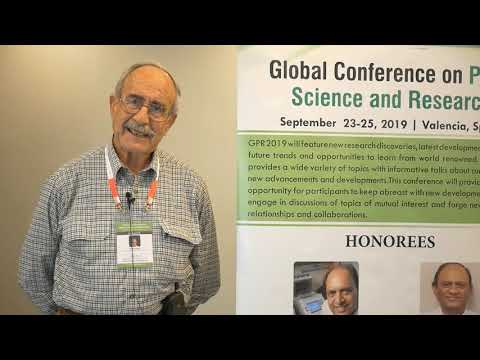
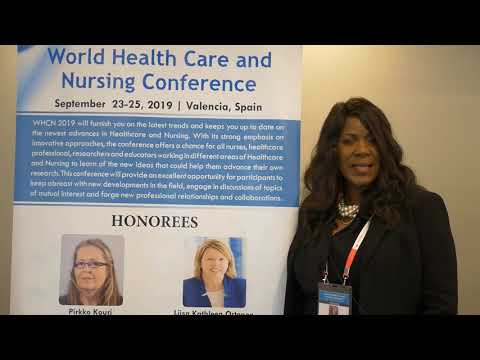
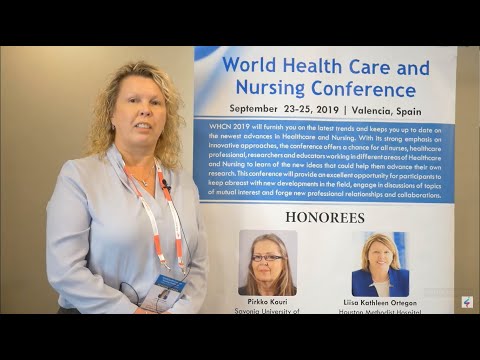
Thank YOU! For a wonderful experience. I met so many amazing people from all over the world and many of us bonded going forward. All the presentations were full of new and exciting things to hear and the hotel was just lovely. I enjoyed every minute.
 Penny Daugherty
Northside Hospital Cancer Institute, USA
Penny Daugherty
Northside Hospital Cancer Institute, USA
I met some extraordinary nurses from all over and was so impressed with their work
 Elaine Clear
St Vincent's University Hospital, Ireland
Elaine Clear
St Vincent's University Hospital, Ireland
Such a distinguished conference and the entire magnificent organization
 Elena Baixauli Gallego
University of Valencia, Spain
Elena Baixauli Gallego
University of Valencia, Spain
Overall, the Conference was a success. Interesting topics and excellent speakers
 Elvessa Narvasa
Canadian Council of Cardiovascular Nurses, Canada
Elvessa Narvasa
Canadian Council of Cardiovascular Nurses, Canada
Thank you very much for a nice and interesting conference in Valencia, I really enjoyed it!
 Carrinna A. Hansen
University of Copenhagen, Denmark
Carrinna A. Hansen
University of Copenhagen, Denmark
The conference added value to me on medical robots as I would like to apply them to Zambia.
 Margaret C. Maimbolwa
University of Zambia, Zambia
Margaret C. Maimbolwa
University of Zambia, Zambia
An amazing scientifically enriching continued professional development meaningful experience with a brilliant platform for dynamic collaborations with interactive discussions and expert opinion-insights offering fascinating translational/public health avenues for evidence-based novel immunotherapy regimens and eventual design of predictive biomarkers for cost-effective disease management of inflammatory diseases with emphasis on evidence-based health management viz. gynecologic disorders/diseases in women of diverse genetic landscapes and lifestyles.
 Saumya Pandey
Indira IVF Hospital, India
Saumya Pandey
Indira IVF Hospital, India
The INNC platform provides information from various fields in healthcare for nurses, researchers, educators, administrators, policymakers, and students to improve their knowledge and experiences. In this new digital era, exchanging information in a real and virtual community promises to be a more efficient and attractive way to enrich our lives, foster meaningful relationships, and build a comprehensive and informative database for a better inner world and existence. Participation in these events gratifies people with credentials, recognizing their involvement in learning and contribution to science advancement.
 Sofica Bistriceanu
Academic Medical Unit - CMI, Romania
Sofica Bistriceanu
Academic Medical Unit - CMI, Romania
Dear colleagues, thank you for the honor and opportunity to participate in the conference! As always, the geography of the participants, the diversity of topics, and the breadth of interests are pleasing. Various aspects related to nursing, teaching methods, and preventive medicine were important. Such a broad exchange of opinions serves mutual enrichment, deepening mutual understanding, and international cooperation. I wish you further success and prosperity!
 Petrova Nataliya
Saint Petersburg State I. P. Pavlov Medical University, Russian Federation
Petrova Nataliya
Saint Petersburg State I. P. Pavlov Medical University, Russian Federation
Thank you for allowing me to participate in the conference. It was indeed an honor to share information with colleagues from around the world in a virtual setting. By using this technology platform, we are able to become more engaged and immersed in clinical research which truly can make an impact on future clinical practice. I am looking forward to the next INCC conference where knowledge is exchanged and shared.
 Daryle Wane
Pasco-Hernando State College, United States
Daryle Wane
Pasco-Hernando State College, United States
It was my first participation on an international conference. It was a very valuable and exciting experience for me. The special thing was to understand the different participants because of their mother tongue. My greatest fear was not to be able to understand the others, an other doubt was the insufficiency of my english. so, my advice for every new participant is not to be too nervous, because this event is great and connects us! It would be great to stay in touch.
Wish you all the best and hope to hear from you!!
 Schaffer Daniela
Klagenfurt Hospital, Austria
Schaffer Daniela
Klagenfurt Hospital, Austria
International Nursing Networking Conference (INNC) 2025. Attending INNC 2025 was an incredible experience. I connected with passionate professionals from around the world, gained valuable insights, and left feeling truly inspired. The sessions were impactful, the networking was genuine, and it reminded me why I chose nursing in the first place. I'm grateful for the opportunity and highly recommend it to anyone in the field.
 Lilian Sitsofe Ziga
Nursing and midwifery training college Odumase krobo, Ghana
Lilian Sitsofe Ziga
Nursing and midwifery training college Odumase krobo, Ghana
I had the honor of participating with you in your major scientific conference. I hope you will share the conference documents with me. Thank you for the opportunity. I am currently developing a detailed protocol on the role and policies of nursing during disasters and catastrophes, including the role of nursing in nuclear disasters. I hope to have future scientific meetings to share and develop science.
 Yousef Ahmed Al shaabi
Sanaa University, Yemen
Yousef Ahmed Al shaabi
Sanaa University, Yemen
Great greetings, Thanks a lot for your great efforts & unlimited care. It was a great & valuable conference. All presentations were fruitful. Looking for more future collaboration.
 Eman Salman Taie
Helwan University, Egypt
Eman Salman Taie
Helwan University, Egypt
I sincerely appreciate the privilege to be part of the participants at GCMN 2025. The conference was indeed an eye opener to the advancements in Material Science in various continents of the earth. The conference was really a success. Special thanks to the organizers of the academic conference for their hard work and support given to all participants before, during and after the scheduled conference activities.
 Olaniyi Awe
Obafemi Awolowo University, Nigeria
Olaniyi Awe
Obafemi Awolowo University, Nigeria

Copyright © 2021 IRIS Scientific Group | All Rights Reserved Terms and Conditions | Privacy Policy


